
Blog
Food Safety Guidelines For 3D Printed Fondant Cutters
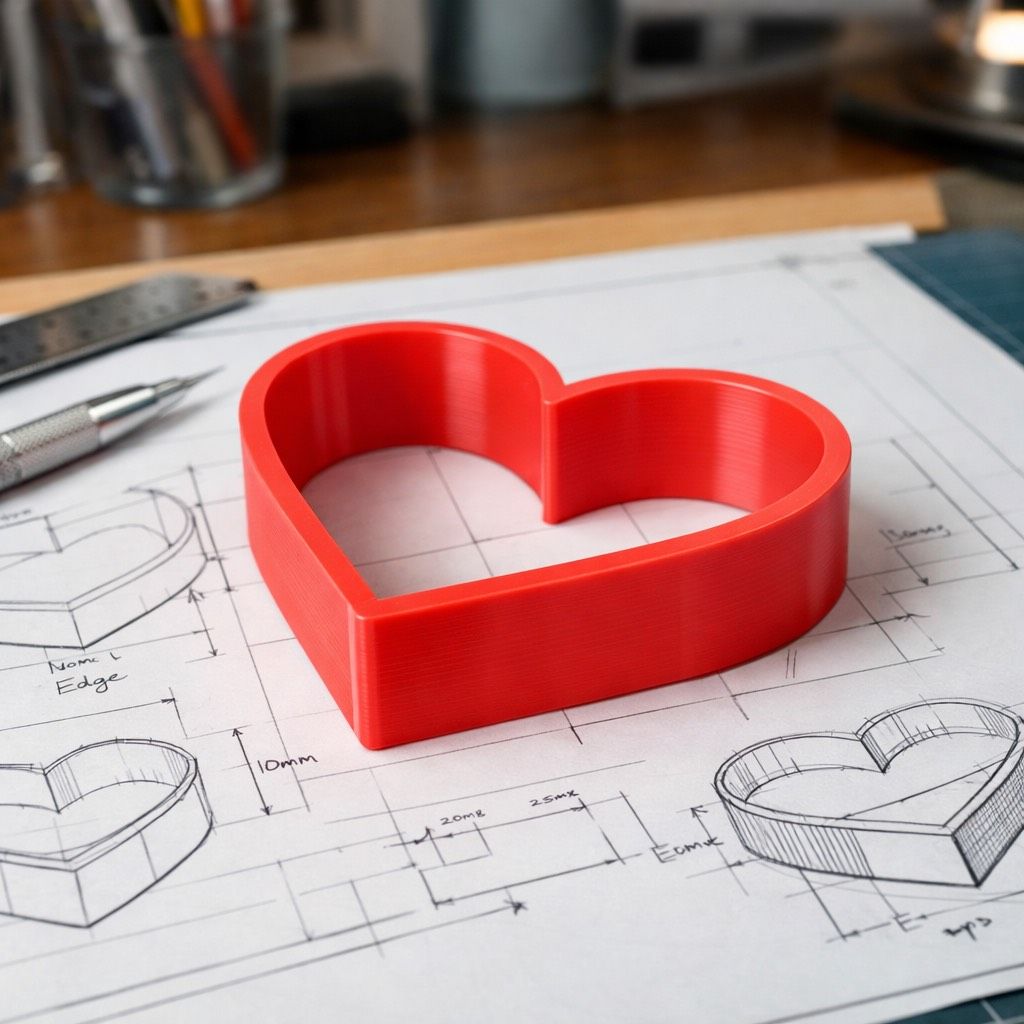
Mar
Ensuring Food Safety with 3D Printed Fondant Cutters
Protecting Your Cutters: The Importance of Food-Grade Coatings
When utilizing 3D printed fondant cutters, safeguarding against bacterial contamination is crucial. One effective method is to apply a food-grade epoxy coating. This sealant fills in micro gaps that may harbor bacteria,ensuring that your cutters remain safe for food contact. By creating a smooth, impermeable surface, the epoxy not only enhances durability but also simplifies cleaning.
Proper Cleaning Techniques for PLA Cutters
To maintain the integrity of your fondant cutters made from PLA (Polylactic Acid), it’s essential to wash them correctly. Using warm soapy water is highly recommended as it helps prevent any deformation of the plastic material. Avoid harsh chemicals or abrasive scrubbing tools that could damage the surface and compromise hygiene.
complete Guide to Food Hygiene with 3D Printed Molds
For those interested in maintaining high standards of food safety while using 3D printed molds, we offer an extensive guide on best practices.This resource covers everything from selecting appropriate materials to effective cleaning methods and storage solutions for your molds and cutters. Staying informed about these guidelines will help ensure that your culinary creations are both beautiful and safe for consumption.
By following these recommendations, you can enjoy the benefits of innovative baking tools while prioritizing health and safety in your kitchen endeavors.
